
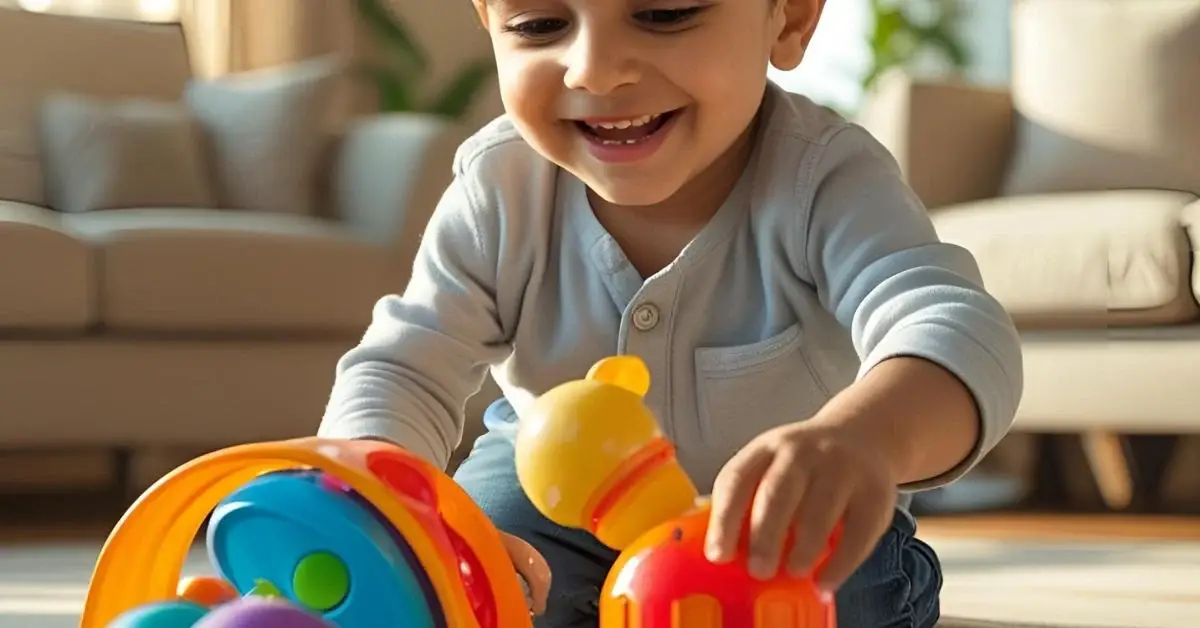
A new study that analyzed urine samples from 201 children aged 2 to 4 years–published in the journal Environmental Science & Technology–has revealed a disturbing truth: toddlers in the United States are being regularly exposed to a cocktail of harmful chemicals—many of which are not tracked or regulated.
The research, led by a team from University of California, Davis, in collaboration with other top institutions under the Environmental influences on Child Health Outcomes (ECHO) program, is a wake-up call for parents, doctors, and policymakers worldwide.
Prof. Deborah H. Bennett, lead researcher and professor at the Department of Public Health Sciences, UC Davis. “Many of these chemicals are known or suspected to interfere with hormones, brain development, and immune function—critical systems in early childhood.”
Inside the Study: What Researchers Found
The ECHO study, funded by the National Institutes of Health (NIH), analyzed urine samples from 201 children aged 2 to 4 years, across four U.S. states—California, Georgia, New York, and Washington. They tested these samples for 111 different chemicals—and the results were concerning:
- 96 chemicals were detected in at least five children.
- 48 chemicals were found in over half of the children tested.
- Most alarmingly, 34 chemicals were found in more than 90% of the children.
- Among these were 9 chemicals that are not tracked in national health surveys like NHANES (National Health and Nutrition Examination Survey).
“Our findings reveal just how widespread chemical exposure is during a critical window of development,” said Dr. Jiwon Oh, the study’s first author and a postdoctoral scholar at UC Davis.
Why Toddlers Are Most at Risk
The age between 2 and 4 is a time of rapid growth. The brain is forming trillions of connections, organs are developing, and the immune system is learning to protect the body. Chemicals that interfere during this phase can cause long-lasting or even permanent damage.
Toddlers are particularly vulnerable because of their behavior and physiology:
- They often put their hands in their mouths.
- They play close to the ground, where dust and chemical residues settle.
- They breathe more air, eat more food, and drink more water for their body weight compared to adults—making any exposure more concentrated.
“Children are like sponges,” says Dr. Oh. “They absorb what’s in their environment. If their environment contains harmful chemicals, their bodies take that in too.”
What Are These Chemicals—and Where Do They Come From?
The study grouped the detected chemicals into categories based on their common uses:
These substances are everywhere—from baby bottles to toys, to the air children breathe at home. Many are found in dust or on surfaces, making toddlers who crawl and touch everything easy targets.
Everyday Exposure: How It Happens
The exposure doesn’t come from factories or hazardous waste sites—it comes from daily life:
- Food and Drink: Pesticides on produce, chemicals in packaging
- Air: Pollutants from indoor cleaning agents and furniture
- Dust: Settled chemicals that toddlers pick up on their hands and toys
- Plastic Products: Toys, utensils, bottles—especially when scratched or heated
Major Findings: Trends, Disparities, and Alarming Shifts
1. Positive News: Some Chemicals Are Declining
The study found decreasing levels of some chemicals over the decade-long data collection period (2010–2021). These include:
- Triclosan (antibacterial agent)
- Parabens
- PAHs
- Most phthalates
This suggests public awareness and improved product regulation may be working in some areas.
2. But New Threats Are Rising
Unfortunately, some dangerous replacements are on the rise:
- DINCH, a plasticizer used in “BPA-free” products, is increasingly found in children’s bodies.
- New pesticides like acetamiprid (a neonicotinoid), and 2,4-D, a herbicide, are also rising in detection.
“We are seeing what are called ‘regrettable substitutions’—where one harmful chemical is replaced with another we know little about,” explains Dr. Oh.
3. Younger and Later-Born Children at Higher Risk
- Younger children (age 2) had higher chemical levels than those aged 3 or 4.
- Later-born children (second or third-born) had higher exposure than firstborns.
This could be due to changing household products over time or accumulation of residues in older households.
4. Racial and Ethnic Disparities
Children from racial and ethnic minority groups were found to have higher levels of several chemicals, including parabens and PAHs.
“Environmental justice is crucial here,” says Prof. Bennett. “Communities of color may face greater exposure due to housing conditions, access to safe products, and neighborhood pollution.”
5. Kids More Exposed Than Mothers
When compared to their mothers’ urine samples taken during pregnancy, the children had higher levels of some harmful substances—such as:
- Two types of phthalates
- Bisphenol S (BPS), often used as a BPA replacement
- Pesticide markers like 3-PBA and trans-DCCA
This finding is especially concerning, suggesting that the environment children enter after birth is even more chemically saturated than the womb.
Why It Matters: Health Risks of Chemical Exposure
Even at low levels, long-term or repeated exposure to these chemicals can cause:
- Hormonal disruptions: interfering with growth, puberty, and fertility
- Neurodevelopmental problems: including attention deficits and learning issues
- Immune system weakness
- Cancer risks in adulthood
And because many of these chemicals aren’t currently tracked in national surveys, their real-world impact is likely under-reported and misunderstood.
Call to Action: Stronger Monitoring and Safer Products Needed
The researchers are calling on government bodies like the U.S. Environmental Protection Agency (EPA) to expand biomonitoring efforts and tighten chemical safety regulations.
“We urgently need better oversight of these exposures,” insists Dr. Oh. “We need a system that doesn’t just react after harm is done—but actively protects children from the start.”
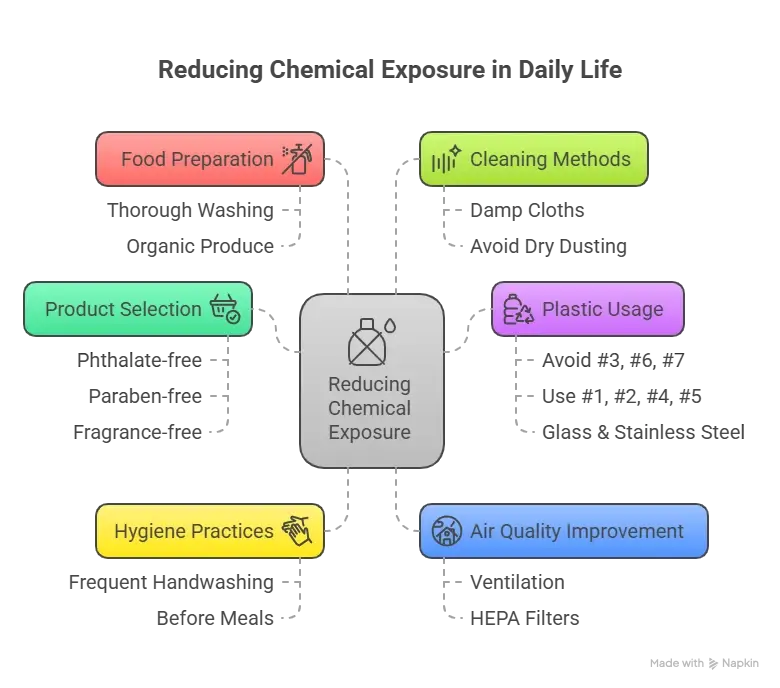
What Can Parents Do? 6 Simple Steps to Reduce Chemical Exposure
While systemic change is needed, parents can take meaningful steps to protect their children: