

🔑Key Takeaways
- Beyond technical skills: Top companies like Google and Microsoft now value social-emotional skills as much as technical knowledge.
- Human skills for an AI world: As AI advances, human skills like emotional intelligence, cognitive flexibility, and communication are becoming even more critical.
- Universally valued: The demand for soft skills extends beyond tech, with industries like airlines also seeking employees who are persistent and respectful.
- Education’s new role: Indian industry leaders believe schools should focus on Social-Emotional Learning (SEL) to prepare students to be responsible societal contributors.
- How to develop them: You can build these essential skills through project-based learning, leadership roles, and a supportive environment.
Forget what you’ve heard about needing to be a coding prodigy or a walking textbook to land a top job. The game has changed. Today, major companies are looking beyond your technical expertise. They want to know why you’re more than just a resume. The answer lies in your soft skills.
Global leaders like Google and Microsoft, who operate major offices in India, are making it clear: your ability to work with people is as important as your technical skills.
- Google’s global head of education impact, Jennie Magiera, highlights that technical talent is only part of the equation. Google’s teams are often globally distributed, demanding strong social-emotional skills like self-awareness, social awareness, and responsible decision-making. You have to manage yourself and collaborate effectively with others to build anything significant.
- Microsoft’s VP of education, Paige Johnson, states that even with the rise of AI, the skills that matter most are “uniquely human.” She points to emotional intelligence, cognitive flexibility, and communication as essential for navigating a future powered by artificial intelligence.
This isn’t just about tech. Airlines like Southwest are also seeking employees who are persistent, service-minded, and respectful. It proves that these skills are universally valued, regardless of the industry.
Why Indian Education Needs a Shift
Indian industry leaders believe that schools must adapt. They say that focusing on Social-Emotional Learning (SEL) can help students learn how to navigate professional environments, interact with diverse people, and manage stress.
Developing soft skills in students isn’t about making them more “employable.” It’s about creating thoughtful, responsible, and effective contributors to society. A student who learns collaboration in a school project is better prepared to work on a team building a new product. One who learns empathy can become a better leader.
How You Can Develop These Skills
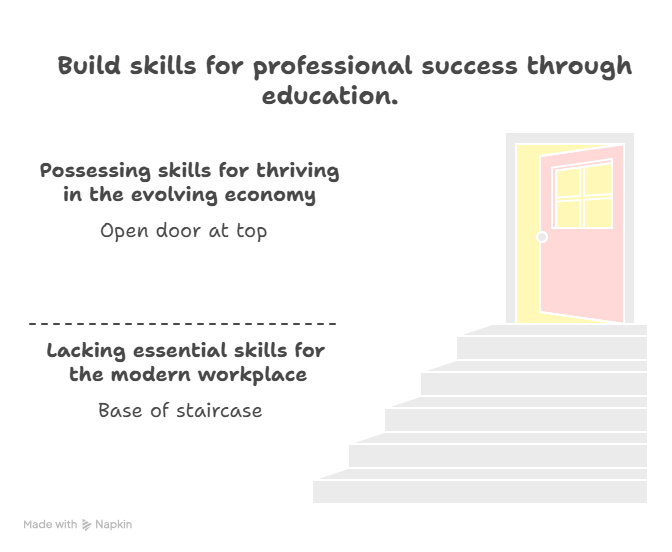
Your education is more than just grades. It’s an opportunity to build the skills that companies are desperate to find.
- Engage in project-based learning and group discussions. These activities mirror real-world professional scenarios and build essential teamwork and communication skills.
- Take on leadership roles. Whether in a student club or a school event, leading a team helps you develop self-management and responsible decision-making.
- Seek out a supportive and inclusive environment. Being in a place where you can take risks and learn from mistakes is crucial for personal and professional growth.
As the Indian economy evolves, your success won’t just be measured by what you know, but by how you interact with the world around you.